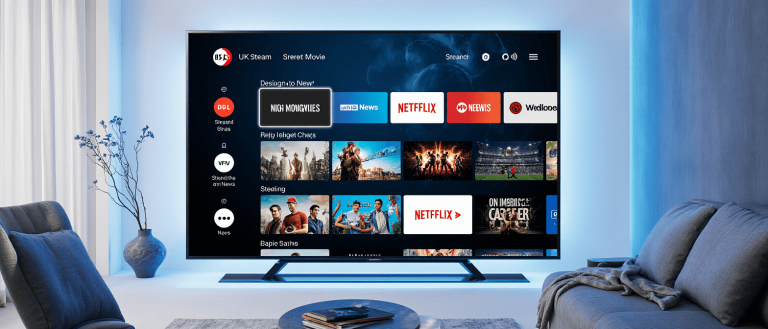


The way we watch television is undergoing a radical transformation in the UK, moving away from traditional satellite dishes and cable boxes toward a more flexible, internet-driven experience. At the forefront of this revolution is IPTV, or Internet Protocol
Television, a technology that delivers television content through your internet connection rather than traditional terrestrial, satellite, or cable formats. If you’re tired of expensive contracts, limited channel options, and being tied to your living room TV, understanding what is IPTV and how it can serve your viewing habits is crucial.
This comprehensive guide will break down everything you need to know about how IPTV works, what you’ll need to get started, and why it’s becoming the go-to choice for savvy viewers across the UK looking to tailor their entertainment to their lifestyles.
Table of Contents
What Is IPTV?

IPTV stands for Internet Protocol Television. In simple terms, it’s a method of delivering television content and videos over the internet using the same underlying technology that powers websites and email (Internet Protocol), instead of using traditional broadcast signals like satellite or cable .
Think of it this way: traditional TV broadcasts all channels at once, and your tuner picks one out of the stream. IPTV, on the other hand, sends only the channel or video you’ve requested directly to your device, much like how streaming services work. This fundamental shift allows for a more personalized and on-demand viewing experience.
The core difference lies in the delivery system:
- Traditional Cable/Satellite TV: Relies on a dedicated infrastructure (cable lines or satellite signals) to broadcast scheduled programming to your home. You can only watch what’s being shown at that moment unless you have a DVR.
- IPTV: Uses your existing broadband internet connection to deliver content. This means you aren’t limited by broadcast schedules and can watch what you want, when you want, on various devices .
A familiar example of an IPTV-type service is BBC iPlayer . It allows you to catch up on shows that have already aired, a form of time-shifted IPTV. Similarly, platforms like Netflix exemplify the Video on Demand (VOD) aspect of IPTV, giving you instant access to a vast library of content.
How IPTV Works (Step-by-Step Explanation)
Understanding how IPTV works is easier when you break it down into a simple, step-by-step process. Unlike traditional TV that scatters signals into the air, IPTV is a targeted, efficient delivery system.
- Content Acquisition & Encoding: First, the IPTV provider acquires content from various sources—TV networks, film studios, and other media companies. This content is then encoded—compressed into a digital format (like MPEG-4) that can be efficiently transmitted over the internet without sacrificing quality .
- Secure Storage on Servers: The encoded content is stored on secure, high-powered servers. Live TV channels, video-on-demand movies, and catch-up TV shows are all held in this centralised location, ready for user requests .
- Your Request: When you select a show to watch—whether it’s a live channel, a movie, or a past episode—your device (like your Firestick or smart TV app) sends a request through your internet connection to the provider’s servers.
- Content Delivery Over the Internet: The server receives your request and immediately begins sending the content to your IP address. The video data is broken into small “packets” and sent over your broadband network. For live TV, efficient methods like IP multicast are often used to send one stream to many viewers at once .
- Decoding and Playback: The data packets travel via your internet router to your IPTV device or app. This device, whether a set-top box or an app like IPTV Smarters, acts as a decoder. It reassembles the data packets and converts them back into a watchable video stream, displaying it on your screen .
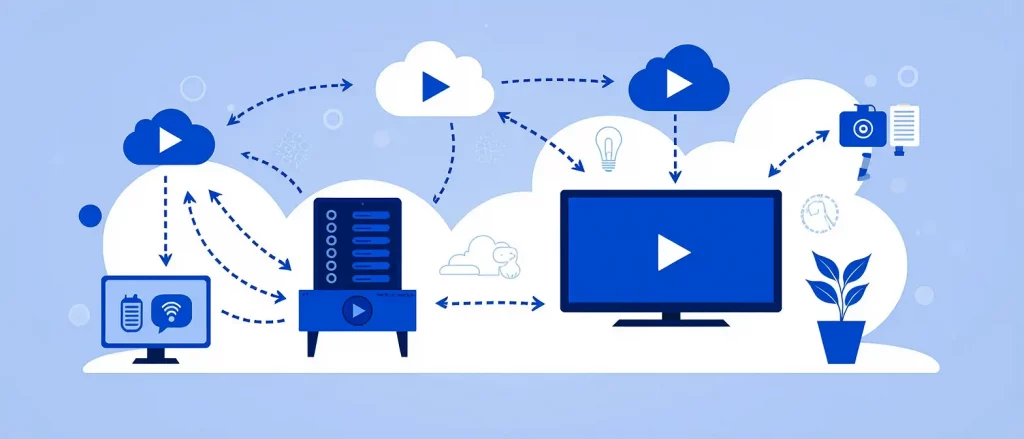
This entire process happens in near real-time, allowing for a seamless and interactive viewing experience that traditional TV simply cannot match.
Types of IPTV Services
IPTV isn’t a one-size-fits-all service. It typically comes in three main formats, catering to different viewing preferences and habits. Understanding these types helps you grasp the full flexibility of IPTV.
1. Live IPTV (Live Television)
This service mirrors the experience of traditional live TV but delivered over the internet. It allows you to watch events as they happen in real-time, making it perfect for sports, news broadcasts, and live events . Examples include streaming a live football match or a breaking news report through your IPTV service.
2. Video on Demand (VOD)
VOD is arguably the most recognised form of streaming. It gives you access to a vast library of content—movies, TV series, documentaries—that you can watch whenever you choose, with full control to play, pause, rewind, or fast-forward . Netflix, Disney+, and Amazon Prime Video are prime examples of standalone VOD services that may be integrated into an IPTV platform .
3. Time-Shifted Media (Catch-Up TV)
Time-shifted IPTV, often called catch-up TV, bridges the gap between live and on-demand viewing. It lets you watch regular TV programmes that aired in the last few days, so you never have to miss your favourite show because of a busy schedule . In the UK, the BBC iPlayer and ITV Hub are excellent broadcast-backed examples of this, allowing you to catch up on recently aired content for a limited time, usually 7 to 30 days .
In the UK, with its busy lifestyles, Time-Shifted IPTV (Catch-Up TV) is incredibly popular, as it respects the viewer’s time while maintaining the structure of linear broadcasting.
What You’ll Need to Use IPTV
Getting started with IPTV is straightforward and requires minimal equipment. Here’s the essential checklist for your IPTV setup:
- A Reliable Internet Connection: This is non-negotiable. For standard definition (SD), a speed of at least 10 Mbps is recommended, but for smooth HD or 4K streaming, a stable connection of 25 Mbps or higher is ideal . Fibre-optic broadband, which is widely available in the UK, provides the best experience .
- An IPTV Subscription Provider: You need an account with an IPTV service provider. It is crucial to choose a reputable, legal provider for a reliable and safe service.
- A Compatible Device to Stream On: You don’t necessarily need a expensive set-top box from a telecom company. Popular options include:
- Amazon Fire TV Stick (a very popular and affordable choice in the UK)
- Smart TVs (Samsung, LG, etc.)
- Android TV Boxes
- Smartphones and Tablets
- Computers and Laptops
- An IPTV Player App: Depending on your device and provider, you may need an app to access the service. Popular players include IPTV Smarters Pro, TiviMate, and others available through official app stores or side-loading .
- Optional: A VPN for Privacy and Access: A Virtual Private Network (VPN) encrypts your internet traffic, protecting your privacy. It can also help access geo-restricted content and, in some cases, improve security by shielding your online activity from your Internet Service Provider (ISP) .
Benefits of IPTV (Why It’s Growing in the UK)
The surge in popularity of IPTV across the UK is no accident. It offers tangible advantages over traditional pay-TV services, making it an attractive option for a wide range of viewers.
- More Channels & Content Variety: IPTV services often provide access to tens of thousands of channels from around the world, including niche, international, and specialist content that isn’t always available on traditional satellite or cable packages . This is a huge draw for the UK’s multicultural communities.
- Superior HD/4K Streaming Quality: With a robust internet connection, IPTV can deliver crystal-clear picture and sound, often in Full HD, 4K, and even 8K resolution. Because the content is compressed and streamed efficiently, the quality can be better than some traditional broadcasts .
- Affordable Pricing and No Long Contracts: One of the biggest benefits of IPTV UK viewers enjoy is cost savings. IPTV subscriptions are typically much cheaper than Sky or Virgin Media packages, and they often come with flexible month-to-month payments, freeing you from long-term contracts .
- Ultimate Flexibility and Multi-Device Viewing: IPTV untethers you from the television in your living room. You can start watching a movie on your TV and continue on your tablet or smartphone. This “watch anywhere” flexibility is perfect for modern, on-the-go lifestyles .
- Interactive Features and On-Demand Control: With IPTV, you are in control. Features like pausing and rewinding live TV, using electronic program guides (EPG), and accessing massive VOD libraries are standard, creating a truly modern and interactive viewing experience .
Is IPTV Legal in the UK?
This is a critical question for any potential user. The short answer is: Yes, IPTV technology itself is perfectly legal . However, the legality depends entirely on the service provider and whether they have the proper licenses to distribute the content they offer.
- Legal IPTV Providers: These are services that have official agreements with content creators, studios, and broadcasters. They pay for the rights to stream channels and videos. Examples in the UK include services bundled by major telecom operators and licensed standalone platforms. Using these services is completely safe and legal.
- Illegal IPTV Services: These are unlicensed providers that offer access to premium content (like Sky Sports, PPV events, and new movies) without paying copyright fees. They often advertise at unrealistically low prices and may require payment in cryptocurrency.
Risks of using illegal IPTV include:
- Legal Repercussions: Users could face fines or service disconnection .
- Security Risks: These services can be riddled with malware, putting your personal data and devices at risk .
- Poor Service Quality: Streams are often unreliable, buffer constantly, and can be shut down without warning .
Always choose a provider that is transparent about its licensing and operates within UK law to ensure a safe and consistent viewing experience.
How to Choose the Best IPTV Provider in the UK
Selecting the right provider is the key to a great IPTV experience. Here are the essential factors to consider before you commit:
- Check Content Library and Streaming Quality: Look for a provider with a strong selection of the channels and VOD content you actually watch. Ensure they consistently offer HD or 4K quality without constant buffering.
- Look for Reliable Customer Support: A responsive support team is vital for troubleshooting any technical issues, from login problems to payment queries. Test their responsiveness before subscribing.
- Always Test with a Free Trial: The most important step is to use a free trial. Most reputable providers, offer a 24 to 48-hour trial period. This allows you to verify stream stability, channel availability, and the overall user interface without spending any money .
- Evaluate Device Compatibility: Make sure the service works seamlessly on the devices you plan to use, whether it’s your Firestick, Smart TV, or Android phone.
- Read Independent Reviews and Testimonials: Search for recent reviews from other UK users on trusted tech forums and review sites to get unbiased opinions on the service’s reliability.
Common IPTV Issues and Fixes
Even the best services can occasionally have problems. Here are some quick fixes for common IPTV issues.
- Buffering and Slow Streaming:
- Fix: Check your internet speed. If it’s low, try reducing the video quality in your app’s settings. Connect your device via an Ethernet cable instead of Wi-Fi for a more stable connection, close other bandwidth-heavy applications, or restart your router .
- Login or Authentication Errors:
- Fix: Double-check your username, password, and any server URLs for typos. Verify that your subscription has not expired.
- EPG (Electronic Program Guide) Not Loading:
- Fix: This is often caused by an outdated or incorrect EPG source URL. Check your provider’s documentation for the correct URL or contact their support team .
Conclusion
IPTV represents the exciting future of television, offering a flexible, affordable, and feature-rich alternative to traditional broadcasting. By now, you should have a clear understanding of what is IPTV a system for delivering TV content over the internet. You’ve also learned how IPTV works, from the server to your screen, and what you’ll need to get started, including a reliable internet connection and a compatible device. The benefits for UK viewers are significant, from massive content libraries and high-quality streaming to the freedom of no long-term contracts. Remember, the key to a safe and enjoyable experience lies in choosing a legal and reputable IPTV provider that aligns with your viewing needs and budget.
Ready to start streaming? Visit UKStreamly.co.uk and choose your IPTV plan today!